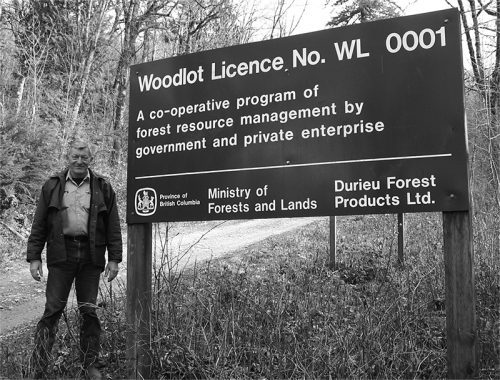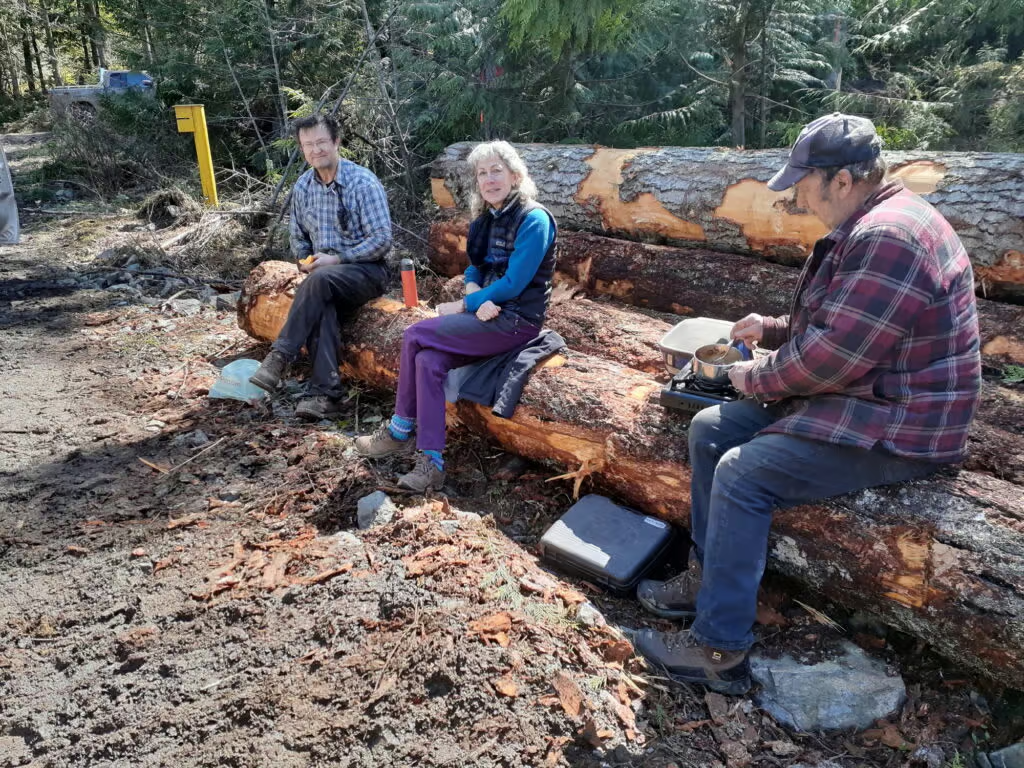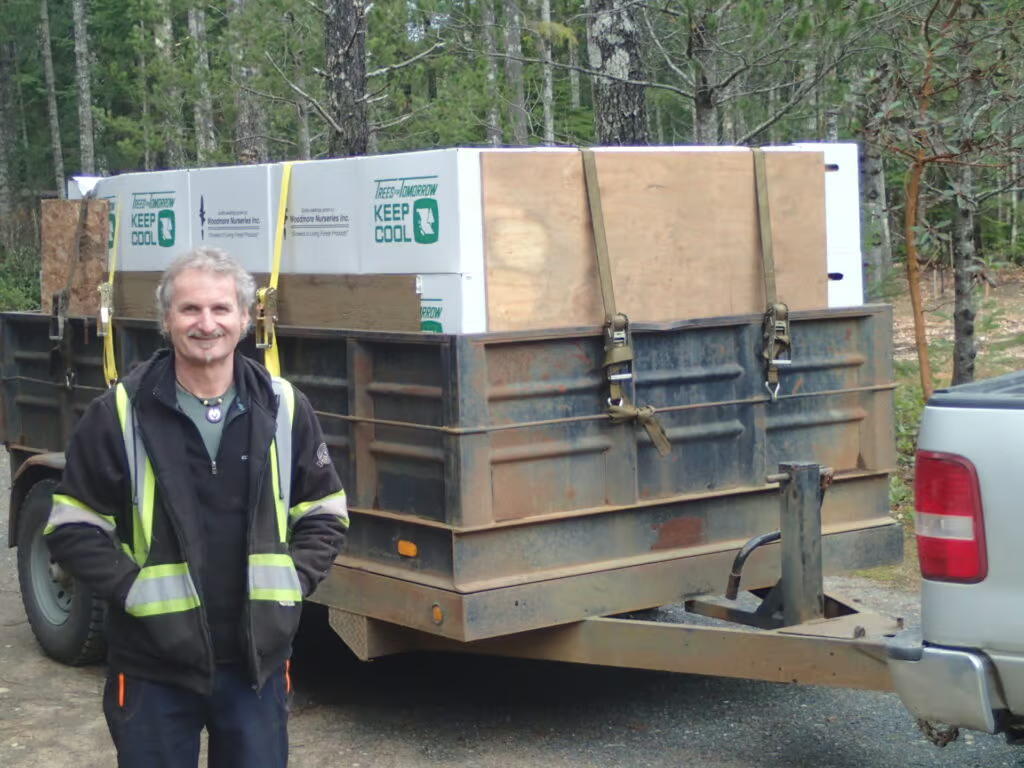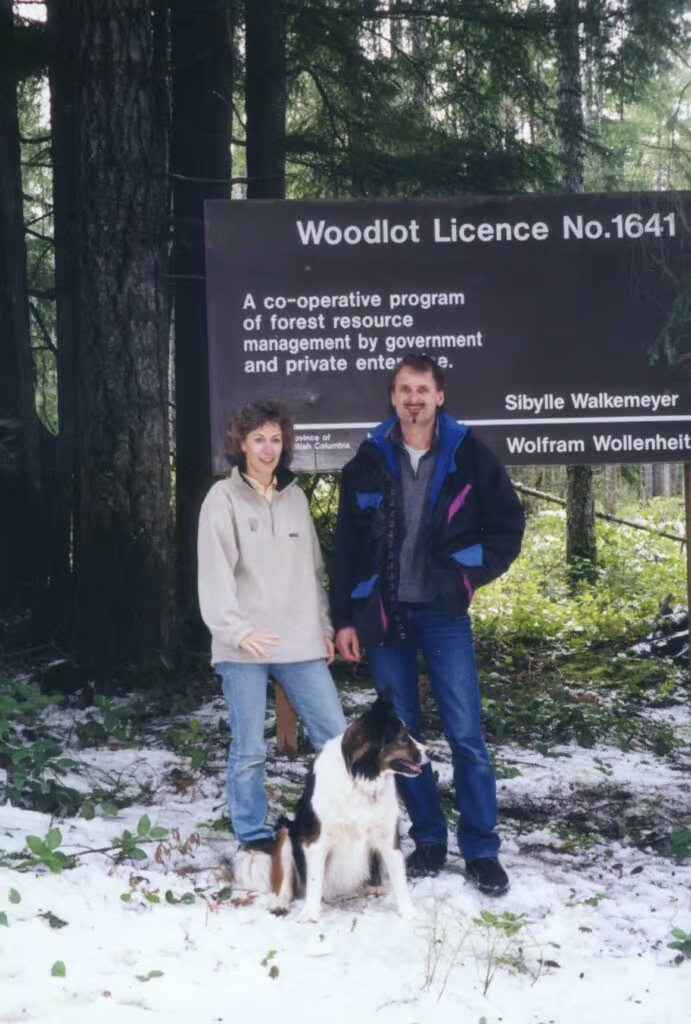

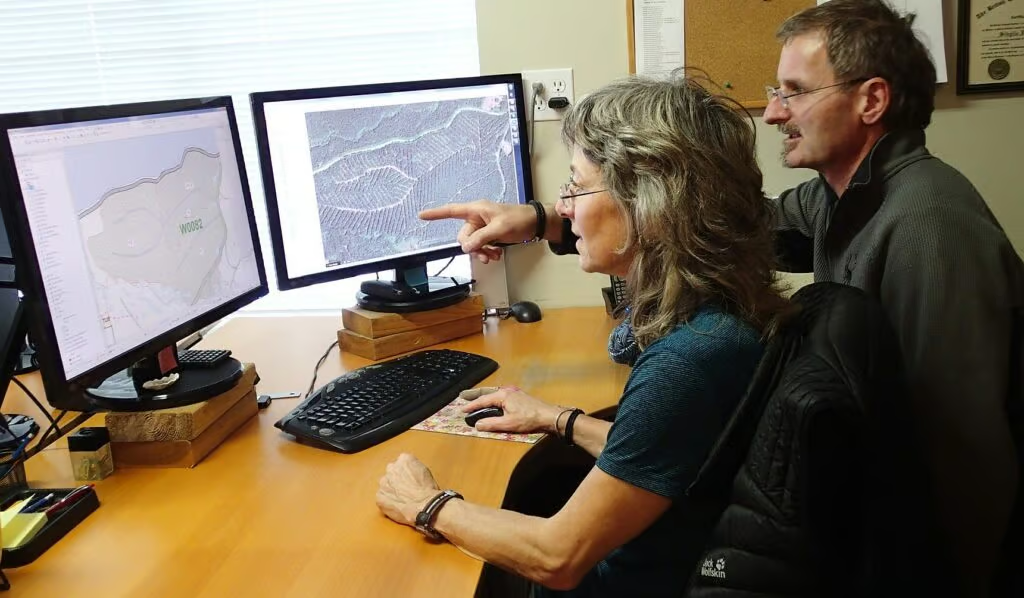
Sibylle Walkemeyer and Wolfram Wollenheit are natural resource professionals who immigrated to Canada from Germany in early 1990s seeking work opportunities and a lifestyle closer to nature. They live in Merville, British Columbia which is located in the Comox Valley on Vancouver Island. They were attracted to BC’s unique Woodlot Licence program during their early years travelling the world in the late 1980’s as it allowed individuals to manage public forest land. They are the holders of Woodlot 1641 and Woodlot 0082 which they operate under their company Truewood Forests Ltd in the Campbell River Resource District. The woodlots are accessible by paved roads approximately 50 minutes from their home.
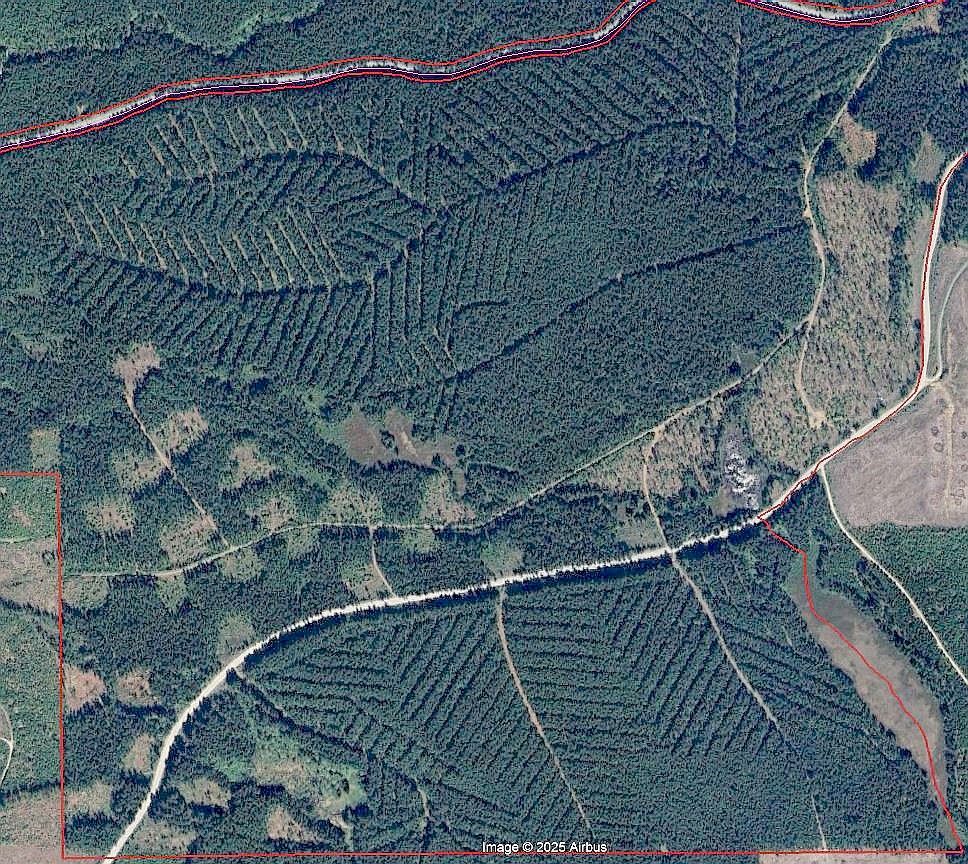
W1641 was awarded in 1997 and is located adjacent to the Gold River Highway about 17 km from Campbell River. It contains varied terrain with approximately 250 m elevation change and a number of different ecosystems. Their second woodlot W0082 was initially leased and later purchased in 2022 with the larger portion adjacent to W1641 and the other smaller portion near Courtenay.
The couple manage the woodlots with a deliberate, long-term, demonstration-focused approach emphasizing sustainable, diverse silviculture and public education. They invested heavily in planning, infrastructure and local relationships. Successes include demonstrating multiple values, market access for higher-value products and a strong local operator network. The emphasis on thorough inventories and planning before harvesting is influenced by their European training for long-term management goals. Wolfram created multiple Allowable Annual Cut scenarios using different calculation methods (Woodlots for Windows, LRSY, Hanzlik) to estimate productivity and plan rotations.
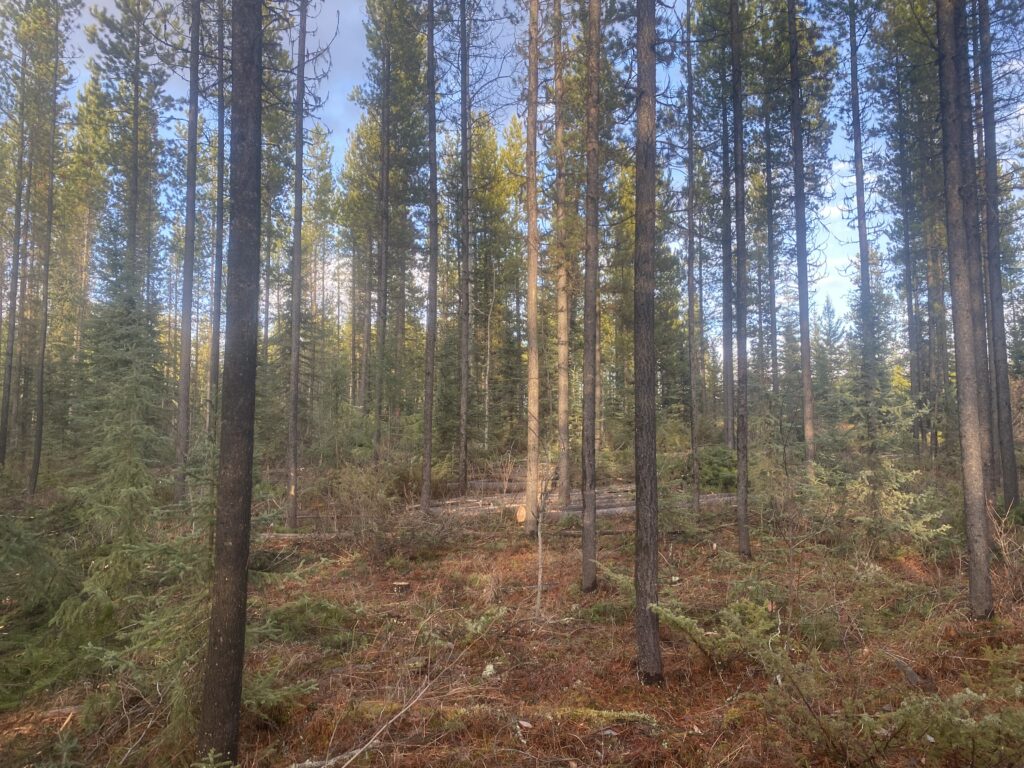
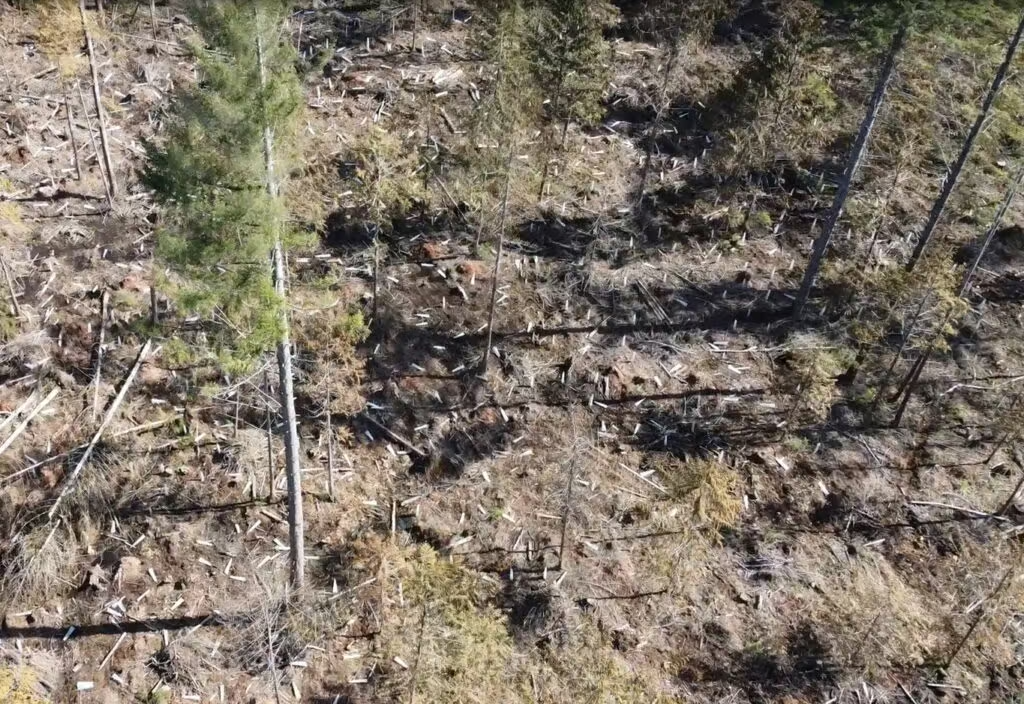
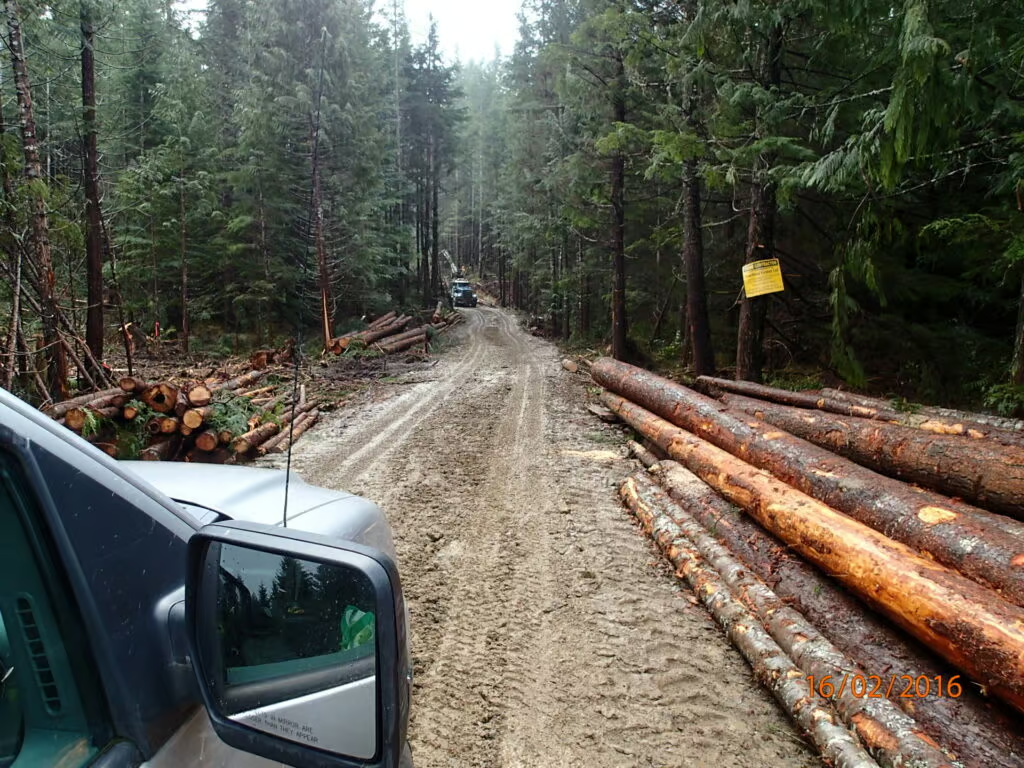
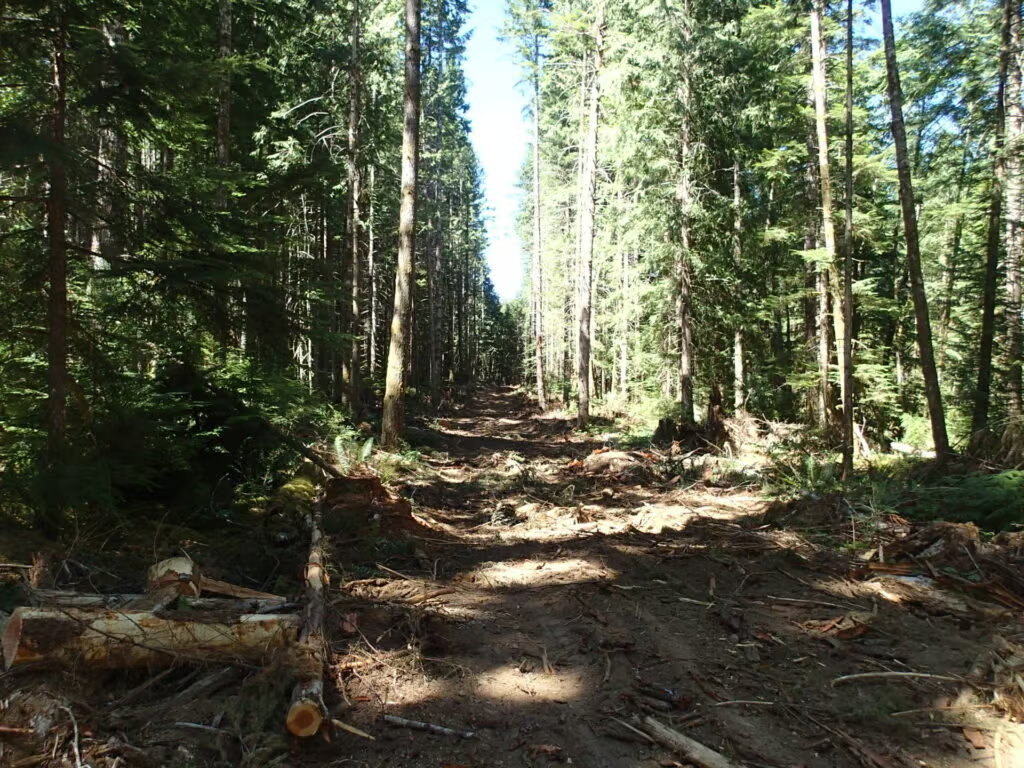
As the woodlots are remnants of the 1938 Sayward Forest Fire, which has now resulted in immature, even-aged Douglas-fir stands, their early management focused on commercial thinning and sanitation harvests. Later they added partial cuts, strip cuts and other varied treatments to create age-class diversity. Their initial focus was building access roads, sometimes requiring blasting and quarrying rock while investing any harvest profits back into infrastructure. They targeted long-term income potential rather than short-term profit with many years initially only breaking even due to road-building and low log prices.
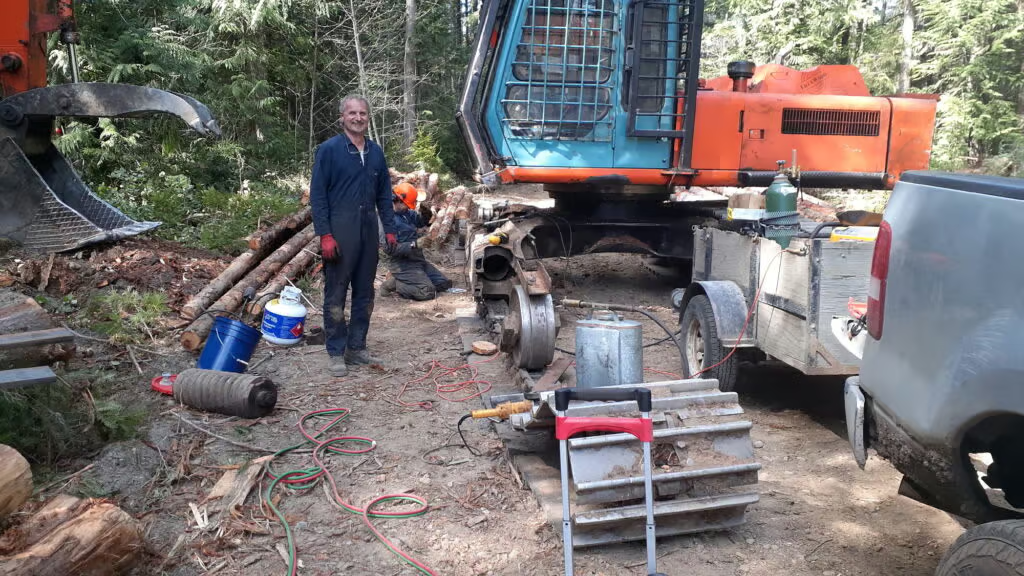
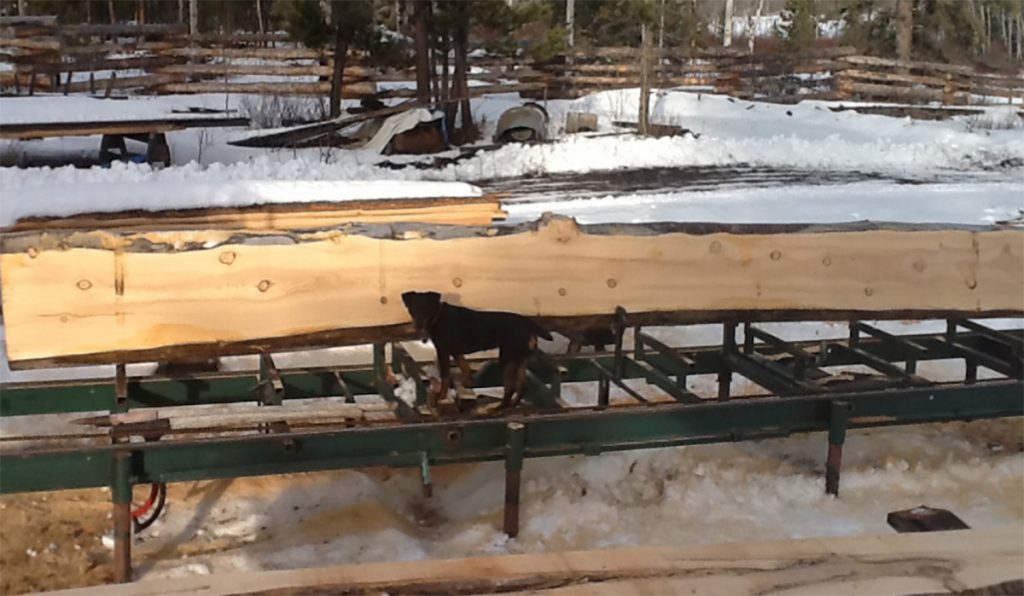
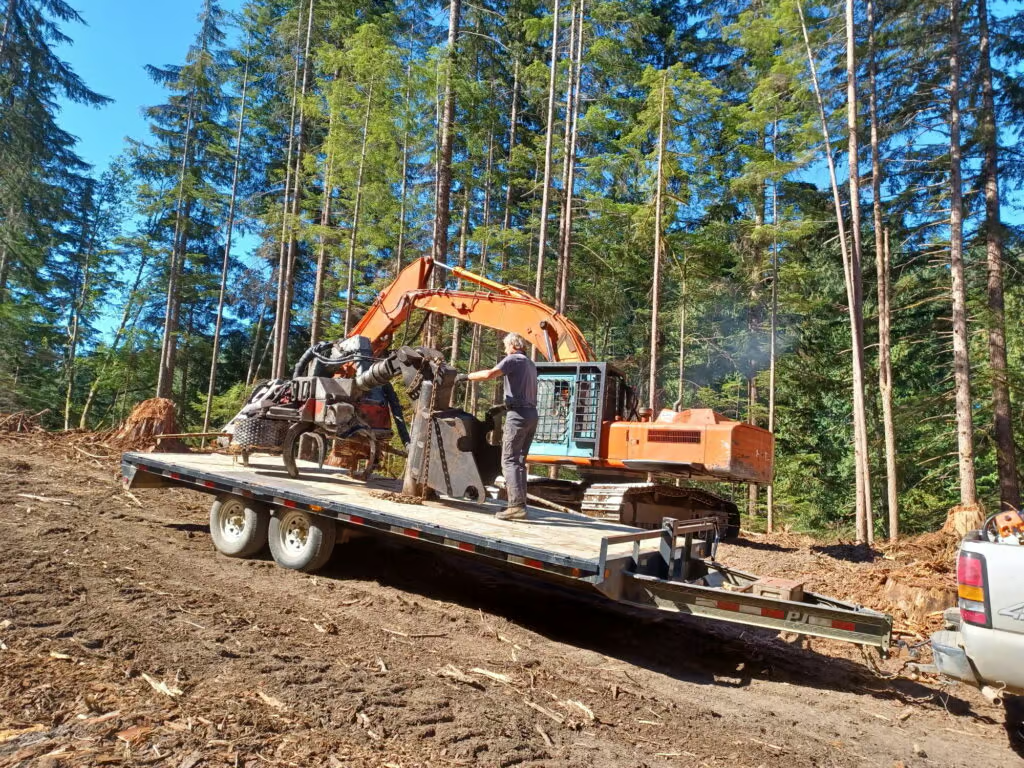
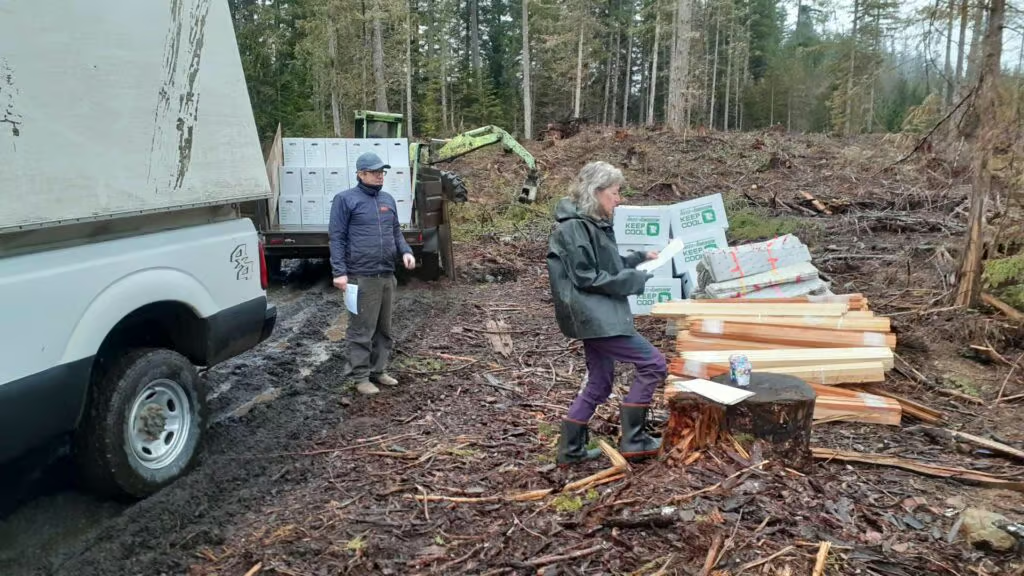
Contractors handle the bulk of planting with the licensees doing infill planting as needed. There are root rot treatment demonstration areas with different treatment methods such as stumping and planting White Pine, Red Cedar and Deciduous that are used for tours and education. Landscape-design methods were applied to maintain visual buffers, e.g. 20 m harvest strip along the highway with standing timber left behind to minimize visual impact and blowdown. Over time they transitioned from manual/contract logging to mechanical harvesting (processor-based) which improved economics for purchasing an excavator/processor, employing a local operator (long-term relationship) and creating near self-sufficiency for many operations. They consistently use the same logging and trucking contractors and maintain a long term business relationship with their log broker and local pole plant.
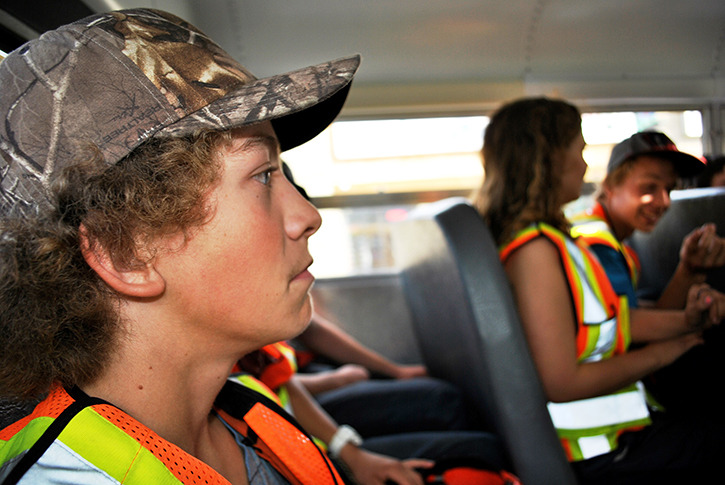
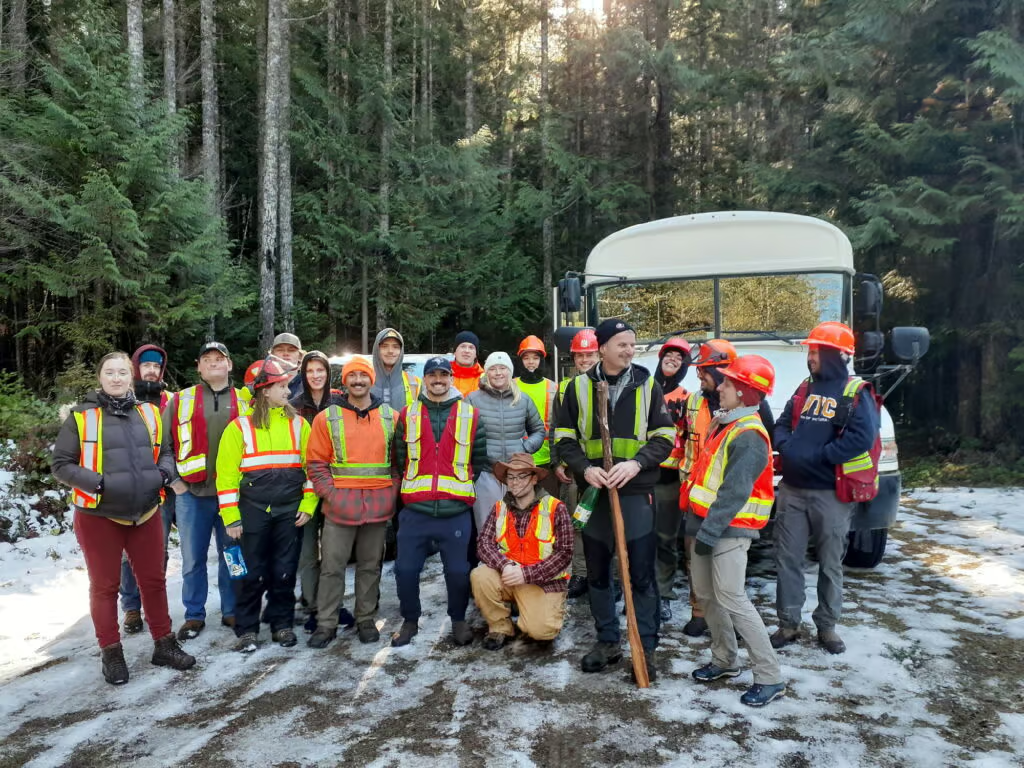
They host frequent public tours and school visits (VIU tech program) on their woodlots for demonstrating sustainable/alternative forestry. They have positive relationships with local small-scale operators, contractors and adjacent companies in the area. Their roads have locked gates and a key system for controlled recreational access and firewood cutters. Due to the vicinity of Campbell River, there is frequent public use by hikers, cyclists and mushroom pickers. The Ministry (including senior staff) has visited the woodlot to learn about alternative forest practices. Personal rewards are mushroom/forage harvesting, wildlife encounters, as well as seeing planted stands grow and thrive over decades.
Initial challenges were poor log markets and high costs for roads, blasting, quarry work and contracting. Some present day issues are vandalism, garbage dumping (truckloads removed), gates/locks broken and unauthorized firewood cutting. They experienced two fires where BC Wildfire crews quickly responded and extinguished them. The licensees’ water trailer and firefighting equipment on site did not have to be used. There have been deer/elk browsing on Red Cedar plantations where seedling and protective sleeves had to be replaced multiple times. Recent decline in log markets is affecting current operations. If the market slump continues, there are real concerns about retaining skilled operators and contractors in the future.
Goshawk nests have been identified in the area and a wildlife field biologist they consulted did not recommend adjusting their proposed management with any type of reserves. The current strip thinning model has created the ideal forest structure and working around the nesting/fledging habitat is not a concern.
Memorable moments are some bear encounters while working on the blocks and camera footage capturing the presence of wolves. Air photos from 1940 highlight the transformation of the area to the current situation showing the forest’s recovery and regeneration since the big fire. Community events are held such as regular Christmas gatherings, developing long-term friendships and professional collaborations including with other Woodlotters. Also, both working together as partners in this forestry venture has been very rewarding.
Their intent is to retain their woodlots while still physically able and pursue the remaining harvest opportunities from the stands that have been improved from the original commercial thinning.
Their priorities are maintaining the woodlots in good ecological and economic condition, preserving public and educational values and finding a successor aligned with their management philosophy.
Advice for new Woodlotters is to plan for the future as forestry is a long-term enterprise and returns can be delayed. Develop diverse skills by combining academic knowledge with practical experience (machine maintenance, road building) and practise resourcefulness. Build strong relationships with local contractors, brokers and fellow woodlot owners; community and peer support are invaluable. Accept that markets fluctuate and challenges will arise (fires, vandalism, regulatory changes) so resilience and adaptability are essential. Consider multiple income streams and do not be fully dependent on woodlot revenue early on.
Article written by John McClary