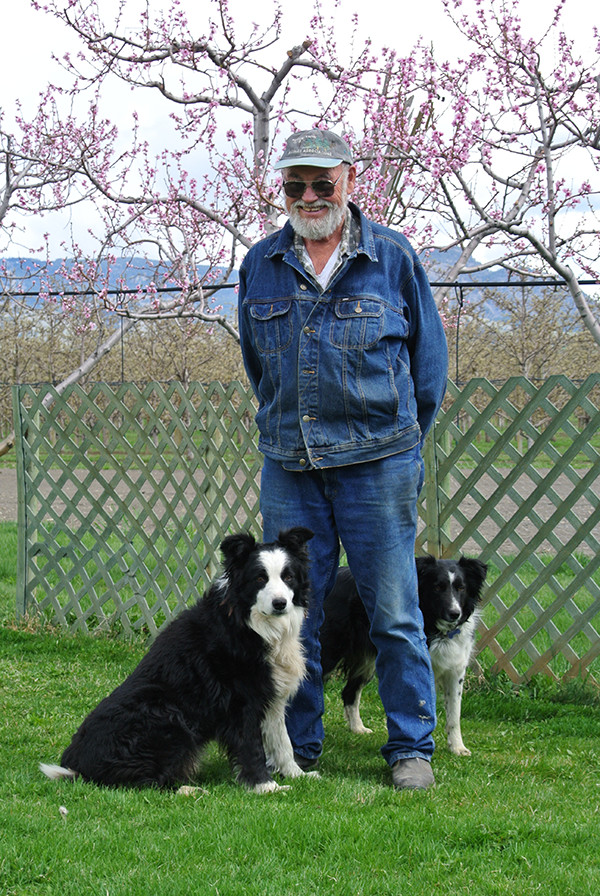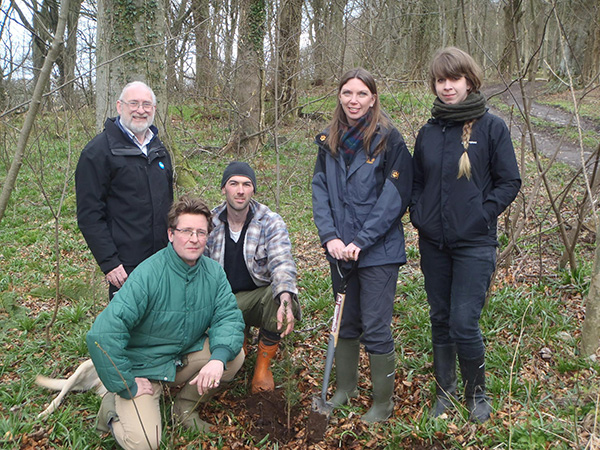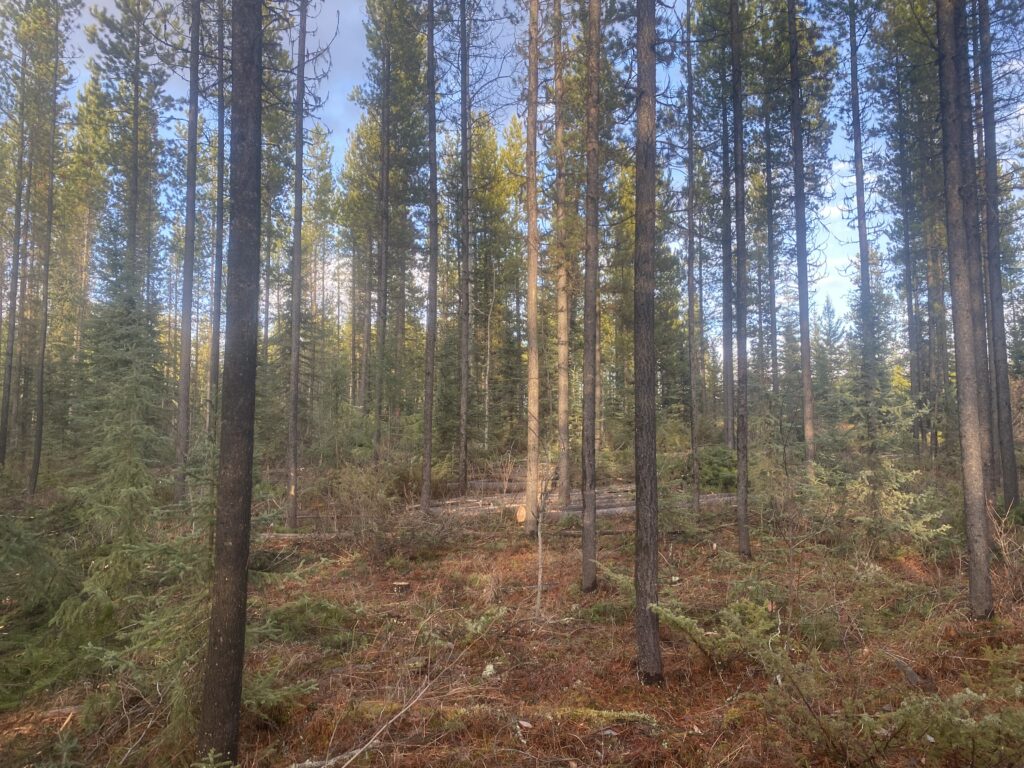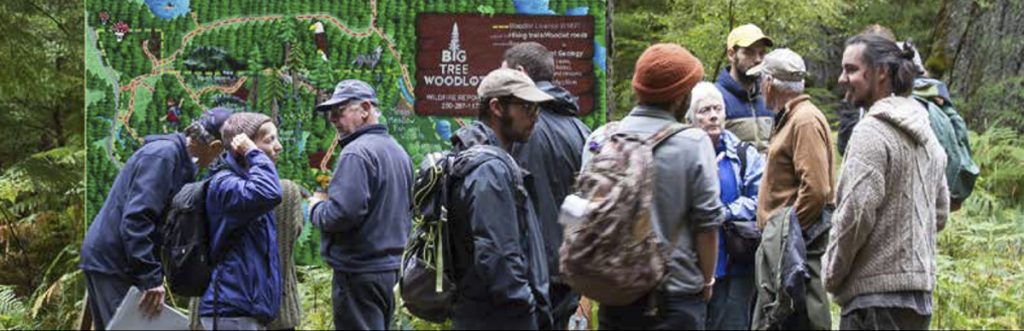

Two families are joint holders of Woodlot 1428 – Robert and Janey Weeks, and Brian McKirdy and Liz Norwell. They live near Valemount, British Columbia within a one hour drive to the 600 hectare woodlot. It is situated in the Robson Valley in the southeast portion of the Prince George Resource District. The woodlot is locally known as the Kiwa Woodlot as it straddles Kiwa Creek, which is a tributary of the Fraser River. The Allowable Annual Cut is 1,816 cubic meters usually harvested in 5 year intervals.
The licence holders are long-time residents of the area around Valemount and have worked since the 1970’s in logging, tree planting, silviculture, sawmilling, accounting and other forestry work, plus tourism.
W1428 was advertised in 1994, and they were the successful bidders for the woodlot that was awarded in 1995. The forestry work such as layout and reporting is shared between the four of them. The woodlot provides work for the two families and local employment.
They manage an ecologically diverse woodlot and consider wildlife habitat, water protection and cultural and heritage values in their planning. Current and ongoing concerns include pests like Douglas Fir Bark Beetle and forest fires, and in the past Mountain Pine Beetle issues.
In general, logging is avoided during summer to protect nesting birds. Local harvesting contractors are actively engaged with simple, clear maps indicating logging and no-logging zones.
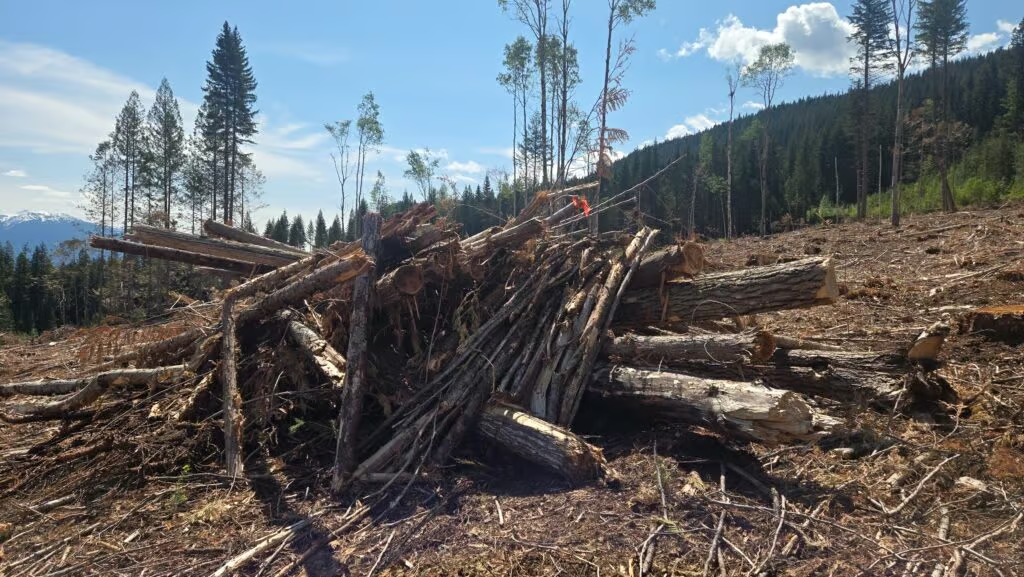
More recent wildlife considerations include creating “critter piles” (habitat houses) and leaving certain trees to support bird and animal habitats. Riparian zones have higher forest retention to maintain cool water temperatures important for aquatic ecosystems. Fire risk management has involved fire guards around waste piles and potential for road deactivation/access control.
They belong to the Robson Canoe Woodlot Association where annual meetings are held to address future planning, with invitation to nearby First Nations.
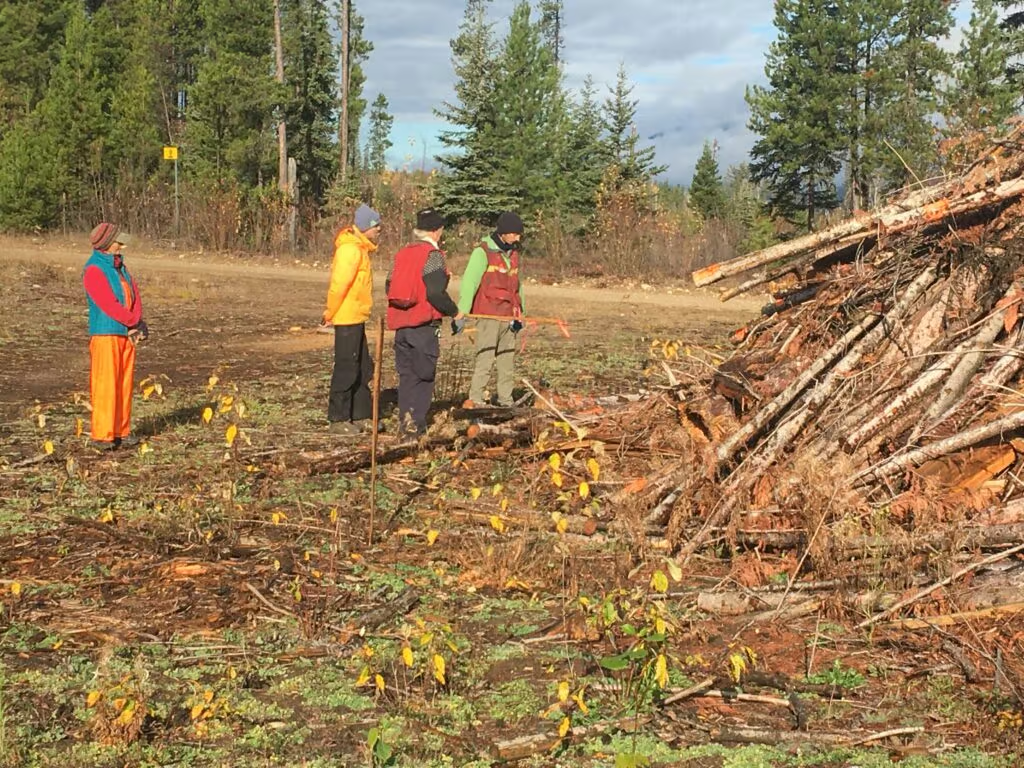
The whole woodlot has a history of disturbance via forest fires and old logging. LiDAR and other advanced mapping tools were used in their last inventory and Janey uses the RESULTS program for woodlot data management. She appreciates its entry tracking capabilities, though finds some government forms redundant. Despite bureaucratic challenges, they try to simplify processes and foster collaborative relationships.
No designated old growth areas are currently within the woodlot, though creating or maintaining broad age classes is important in the woodlot which includes future big tree recruitment. Janey finds it interesting to notice long term natural ecological events and the importance of understanding historical landscape changes such as glacial recession and flash floods. Maintaining forest diversity across species and age classes is a priority.
They have memorable experiences such as family picnics in the woodlot taking their little kids out and showing them how to use axes to look for Mountain Pine Beetles, while enjoying seeing the bears and hearing the owls. They liked doing the first forest inventory and producing a map that was done without the fancy computer tools of today and in colour.
Janey’s thoughts for new woodlot owners are to expect the unexpected, be patient, and communicate with others.
You have a responsibility to the forest ecosystems and the creatures that live there so be observant. There is constant change and constant learning, nothing stays the same.
Future goals focus on maintaining diversity and caring for the forest to ensure responsible woodlot stewardship.
Article written by John McClary and Janey Weeks